El Niño Expected to Return Later in 2026, Threatening Another Year of Record-Breaking Heat
Key Takeaways
- El Niño conditions are expected to develop later in 2026, following the current La Niña phase, according to US science agency NOAA.
- El Niño typically raises global temperatures by 0.1–0.2°C, which on top of existing warming could push 2026 or 2027 into record territory.
- The pattern brings increased drought risk to Southeast Asia, Australia, and parts of Africa, while causing heavier rainfall in the Americas.
- Climate change is making the impacts of both El Niño and La Niña more extreme, amplifying natural variability on top of long-term warming trends.
As the world continues to grapple with the consequences of a rapidly warming climate, a familiar and powerful force is preparing to make its return. Scientists at the US National Oceanic and Atmospheric Administration (NOAA) forecast that El Niño conditions will develop in the second half of 2026, potentially setting the stage for yet another year of temperature records.
The forecast comes as the current La Niña phase — which has been in place since mid-to-late 2024 — begins to weaken. While La Niña typically has a cooling effect on global temperatures, its influence has been overwhelmed in recent years by the relentless rise of human-caused warming.
What El Niño Means for Global Temperatures
El Niño occurs when trade winds in the Pacific weaken or reverse, allowing warm water to spread eastward across the tropical Pacific. This releases enormous amounts of heat into the atmosphere, temporarily boosting global temperatures.
The last major El Niño event contributed to 2023 and 2024 becoming the hottest years ever recorded. If El Niño develops as forecast, it could push late 2026 and early 2027 temperatures to similar or even higher levels.
The phenomenon typically adds 0.1–0.2°C to the global average temperature — a seemingly small number that can push the planet past critical thresholds. The Paris Agreement's target of limiting warming to 1.5°C above pre-industrial levels has already been temporarily breached during recent El Niño-boosted months.
Regional Impacts: Winners and Losers
El Niño's effects are felt unevenly around the world. Some of the most significant impacts include:
Increased drought risk: Southeast Asia, Australia, and parts of sub-Saharan Africa typically experience drier conditions during El Niño. This can devastate agricultural production, increase wildfire risk, and strain water supplies.
Heavier rainfall in the Americas: The southern United States, parts of South America, and the Gulf of Mexico region tend to see more rainfall, which can cause flooding and infrastructure damage.
Reduced Atlantic hurricanes: El Niño creates wind shear that tends to suppress hurricane formation in the Atlantic — one of the few effects that might be considered beneficial for some regions.
Fishing disruptions: Warmer waters off the west coast of South America reduce nutrient upwelling, devastating fishing communities that depend on cold, productive waters.
Climate Change Is Raising the Stakes
What makes future El Niño events particularly concerning is that they're occurring against a backdrop of steadily rising baseline temperatures. A moderate El Niño in 2026 would have a greater absolute impact than a strong El Niño would have had decades ago, simply because the starting point is higher.
The UN's Intergovernmental Panel on Climate Change (IPCC) has noted that El Niño events since 1950 have been stronger than those observed in the preceding century, though it remains uncertain how much of this is due to climate change versus natural variability.
What is clear, however, is that the consequences of El Niño-driven weather extremes are becoming more severe as ecosystems, infrastructure, and food systems are already stressed by background warming.
Our Take
The expected return of El Niño should serve as a wake-up call, though at this point, we seem to need a new alarm every few months. The pattern itself is natural — it's been operating for centuries. But layered on top of human-caused warming, each El Niño cycle now hits harder than the last.
What's most concerning isn't the El Niño itself — it's the cumulative effect. Each temperature record broken, each ecosystem pushed past its limits, each community displaced by extreme weather represents permanent, compounding damage. We keep treating these events as isolated crises when they're chapters in a single, accelerating story.
The regions most vulnerable to El Niño — parts of Southeast Asia, sub-Saharan Africa, Pacific island nations — are disproportionately those that have contributed least to climate change. If El Niño returns as forecast, it will be another test of whether the international community can move beyond declarations of concern toward meaningful action and support for the most affected communities.
Related Stories
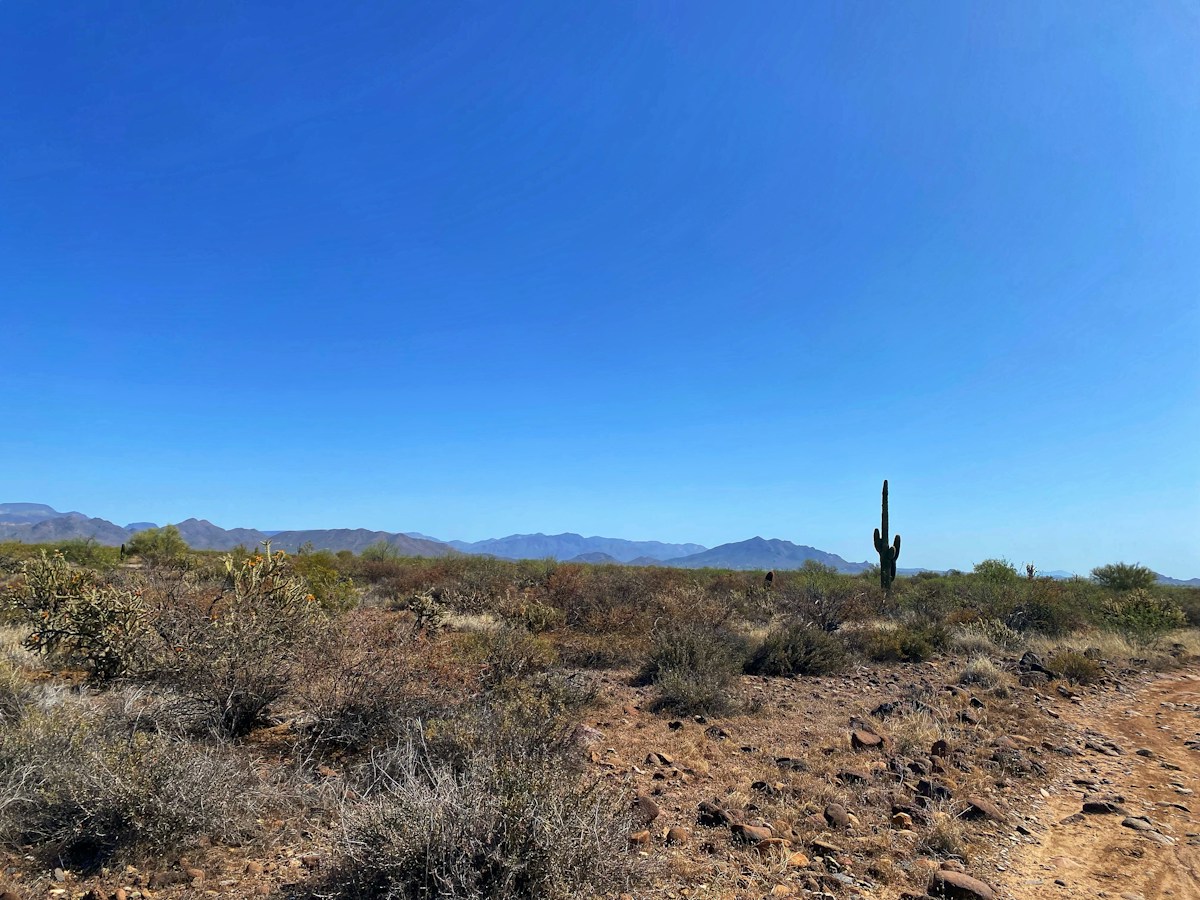
El Niño regresaría a finales de 2026, amenazando con otro año de calor récord
Científicos pronostican que las condiciones de El Niño se desarrollarán a finales de 2026, potencialmente empujando las temperaturas globales a nuevos récords tras años consecutivos de calor extremo.
5 min read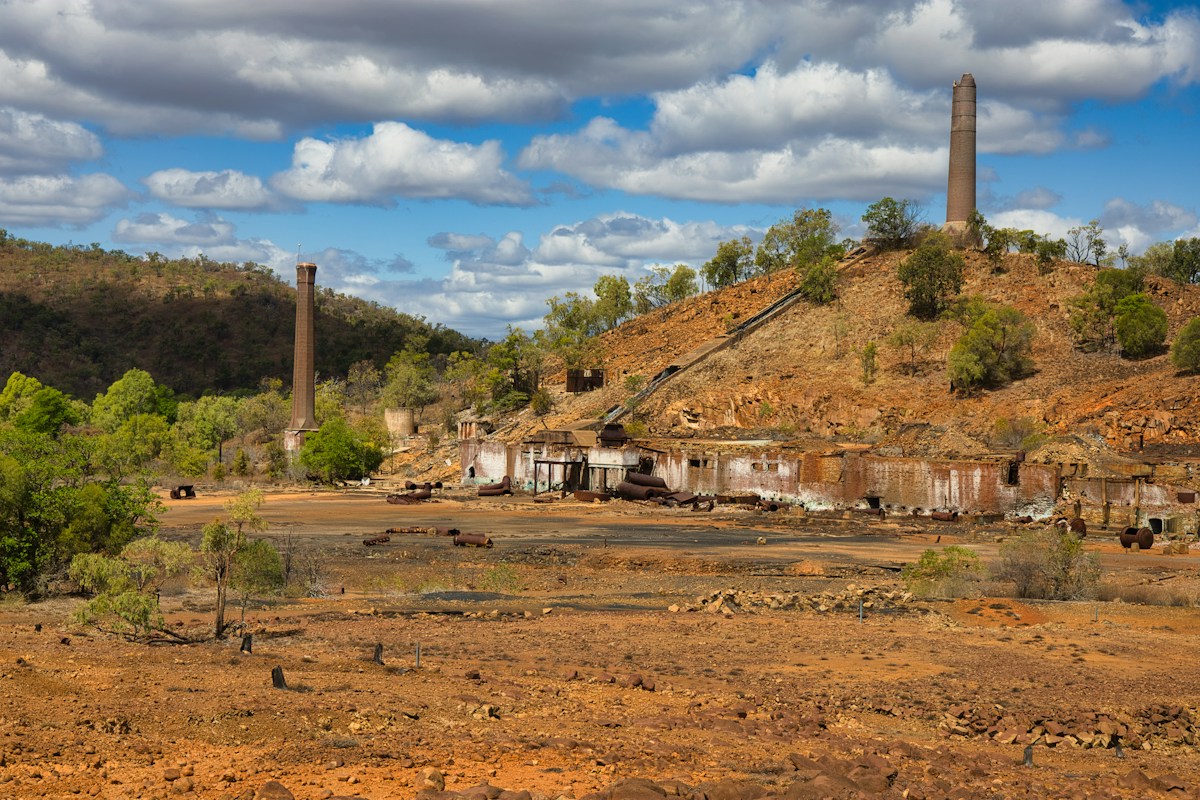
Australia aprueba nueva expansión de gas de carbón pese a compromisos climáticos y genera duras críticas
Australia dio luz verde a un nuevo proyecto de gas de vetas de carbón mientras se promueve como líder climático, llevando a grupos ambientalistas a calificar la decisión como 'encender un cigarrillo mientras intentas dejarlo.'
5 min readAustralia Approves New Coal Seam Gas Expansion Despite Climate Pledges, Drawing Sharp Criticism
Australia greenlit a new coal seam gas project even as it promotes itself as a climate leader, prompting environmental groups to call the decision 'like lighting a cigarette while trying to quit.'
5 min read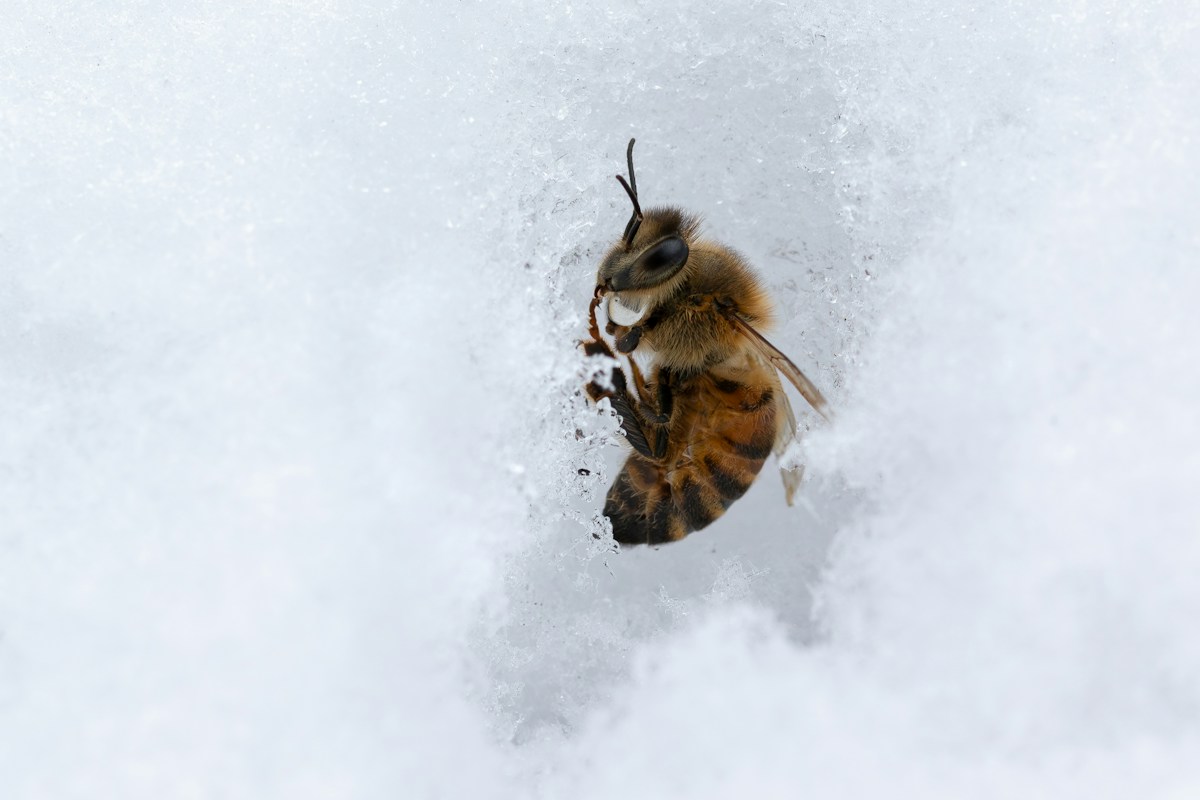
Inviernos húmedos impulsados por el cambio climático devastan las poblaciones de abejas en el Reino Unido
Apicultores del suroeste de Inglaterra reportan pérdidas de hasta el 90% de sus colmenas tras un invierno inusualmente húmedo y templado, encendiendo alarmas sobre el impacto del cambio climático en los polinizadores.
5 min read