Australia Approves New Coal Seam Gas Expansion Despite Climate Pledges, Drawing Sharp Criticism
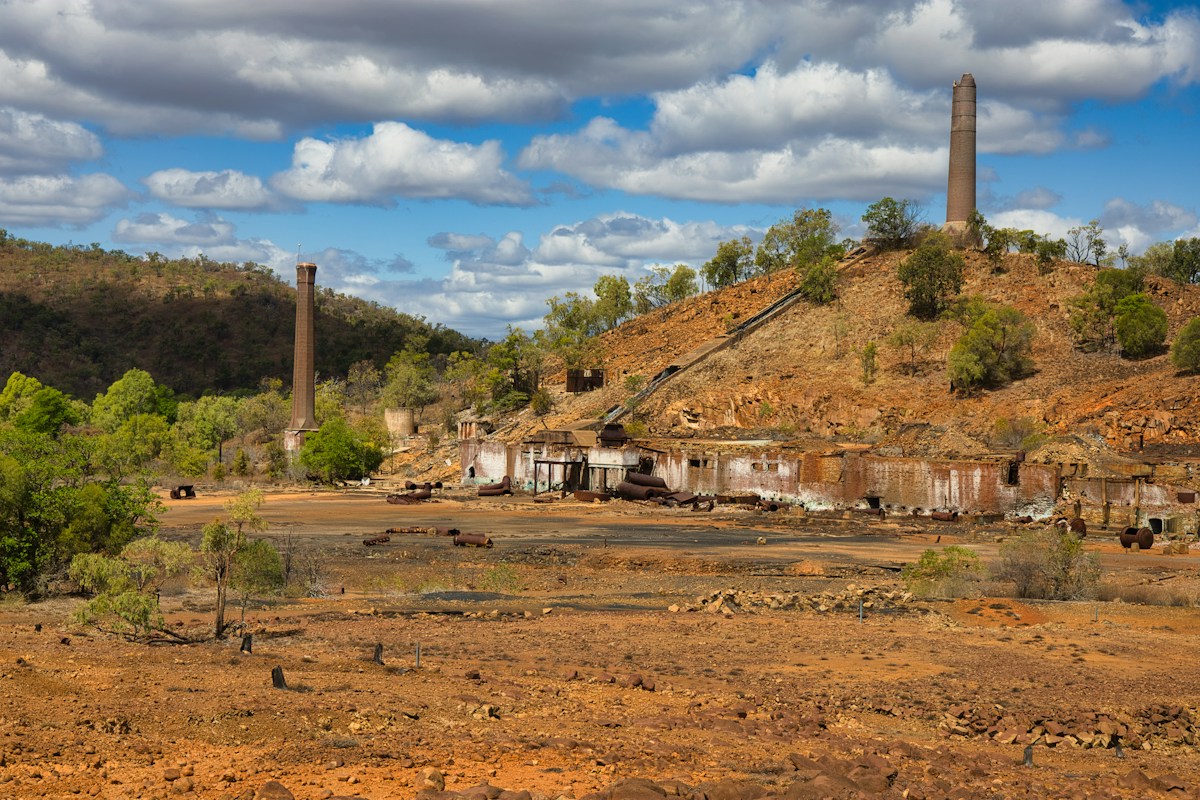
Key Takeaways
- Australia has approved a new coal seam gas expansion project, despite its stated commitments to reducing greenhouse gas emissions.
- Environmental critics describe the approval as "like lighting a cigarette while trying to quit," highlighting the contradiction with Australia's climate targets.
- Coal seam gas extraction raises concerns about water contamination, land degradation, and fugitive methane emissions.
- The decision comes at a time when the International Energy Agency has stated that no new fossil fuel projects are compatible with limiting warming to 1.5°C.
In a decision that has drawn immediate fire from environmental organizations and climate scientists, Australia has approved a new coal seam gas (CSG) expansion project. The approval adds to the country's already significant fossil fuel portfolio at a time when the scientific consensus demands rapid decarbonization.
The project, which will involve drilling new wells and expanding existing gas extraction infrastructure, has been criticized as fundamentally incompatible with Australia's own climate commitments. The country has pledged to reach net-zero emissions by 2050 and reduce emissions by 43% below 2005 levels by 2030 — targets that environmental groups argue are already insufficient without adding new fossil fuel supply.
The Contradiction at the Heart of Australian Climate Policy
Australia occupies a peculiar position in global climate politics. On one hand, it has invested heavily in renewable energy, with solar and wind installations growing rapidly across the country. On the other, it remains one of the world's largest exporters of coal and liquefied natural gas (LNG), and continues to approve new fossil fuel projects.
This dual identity has led critics to accuse the government of climate greenwashing — making ambitious pledges on the international stage while continuing to expand the very industries driving global warming. The coal seam gas approval is the latest example of this tension.
What Is Coal Seam Gas and Why Does It Matter?
Coal seam gas, also known as coalbed methane, is extracted by drilling into coal deposits and releasing gas trapped within the seams. While proponents argue it's a "cleaner" fossil fuel than coal, the reality is more complicated.
The extraction process raises serious environmental concerns. Fugitive methane emissions — gas that leaks during extraction and transportation — can significantly undermine any climate benefit over coal. Methane is approximately 80 times more potent as a greenhouse gas than CO2 over a 20-year period.
Additionally, CSG extraction involves large volumes of water being pumped from underground aquifers, raising concerns about water table contamination and impacts on agricultural land. In Queensland, where much of Australia's CSG production is concentrated, farmers have long raised concerns about the industry's impact on their water supplies.
International Context
The International Energy Agency (IEA) has been clear: achieving net-zero emissions by 2050 requires no new oil and gas fields beyond those already approved as of 2021. Every new fossil fuel project approved after that point pushes the world further from its climate targets.
Australia's decision comes as global temperatures continue to break records. The past two years have been the hottest ever recorded, and 2026 has already seen extraordinary heat events, including the hottest March temperature in US history recorded in Arizona this week.
Our Take
There's no diplomatic way to put this: approving new fossil fuel extraction in 2026 while claiming climate leadership is intellectually dishonest. The science is unambiguous — we cannot burn our way to a stable climate, no matter how many renewable energy projects we build alongside new gas wells.
The "bridge fuel" argument for natural gas has expired. Whatever merit it may have had a decade ago has been overtaken by the plummeting cost of renewables and battery storage, and by the growing evidence that fugitive methane emissions make gas far dirtier than its proponents claim.
Australia has enormous renewable energy potential — vast solar resources, excellent wind corridors, and the geological conditions for large-scale battery storage. The question isn't whether Australia can transition away from fossil fuels; it's whether the political will exists to do so before the window closes. Decisions like this CSG approval suggest the answer, for now, is no.
Related Stories
El Niño regresaría a finales de 2026, amenazando con otro año de calor récord
Científicos pronostican que las condiciones de El Niño se desarrollarán a finales de 2026, potencialmente empujando las temperaturas globales a nuevos récords tras años consecutivos de calor extremo.
5 min readEl Niño Expected to Return Later in 2026, Threatening Another Year of Record-Breaking Heat
Scientists forecast El Niño conditions will develop later in 2026, potentially pushing global temperatures to new records after back-to-back years of extreme heat.
5 min readAustralia aprueba nueva expansión de gas de carbón pese a compromisos climáticos y genera duras críticas
Australia dio luz verde a un nuevo proyecto de gas de vetas de carbón mientras se promueve como líder climático, llevando a grupos ambientalistas a calificar la decisión como 'encender un cigarrillo mientras intentas dejarlo.'
5 min read
Inviernos húmedos impulsados por el cambio climático devastan las poblaciones de abejas en el Reino Unido
Apicultores del suroeste de Inglaterra reportan pérdidas de hasta el 90% de sus colmenas tras un invierno inusualmente húmedo y templado, encendiendo alarmas sobre el impacto del cambio climático en los polinizadores.
5 min read