Climate-Driven Wet Winters Devastate UK Bee Populations as Beekeepers Report Record Losses
Key Takeaways
- Beekeepers in southwest England report losses of up to 90% of their hives this winter, far exceeding the typical 15% considered acceptable.
- Cornwall experienced its wettest winter on record, with parts of Devon logging 40 consecutive wet days.
- Prolonged rain prevents bees from making essential cleansing flights and foraging for spring protein.
- Experts warn that increasingly mild, wet winters driven by climate change could become a recurring threat to pollinator populations.
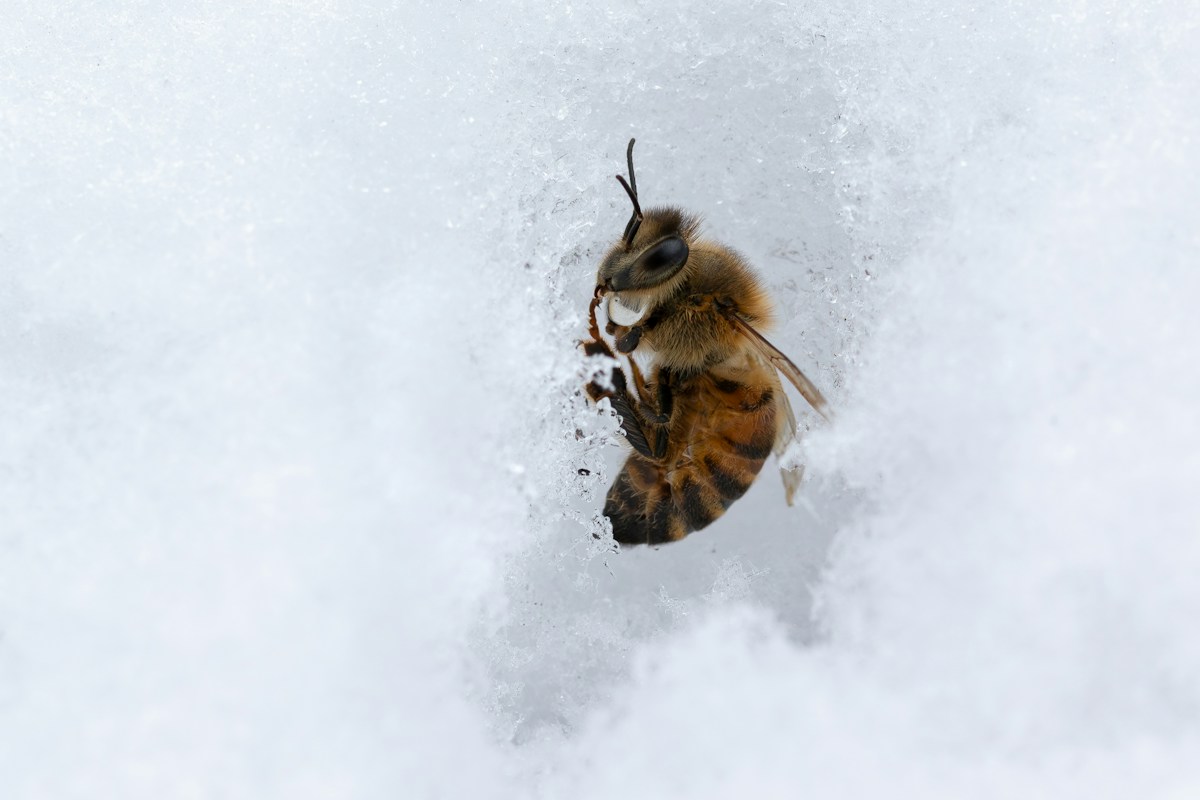
A devastating winter for bees across the United Kingdom has sent shockwaves through the beekeeping community, with some apiarists in southwest England reporting the loss of nearly all their colonies. The culprit, according to beekeepers and researchers, is an unusually wet and mild winter — the kind of season that climate scientists say will become increasingly common as global temperatures continue to rise.
Dennis Kennedy, a hobbyist beekeeper at Lukesland Gardens in Ivybridge, Devon, lost 10 out of 11 hives this winter. "It's been an absolutely devastating year for me, personally," he told the BBC. "Speaking to other hobbyists in the local environment, they've had similar losses, if not potentially worse than myself."
A Pattern Across the Southwest
Kennedy's experience is far from isolated. Alasdair Bruce, chair of the East Devon Beekeepers Association, estimated his own losses at 80% — the worst in his 30 years of beekeeping. After reaching out to other members, he found the pattern was widespread across east Devon and likely mirrored across the entire southwest region.
According to the British Beekeeping Association (BBKA), average nationwide losses last winter sat at just under 25%, with the south-east of England experiencing the worst at nearly 30%. Data for this winter won't be officially released until August, but early reports suggest the southwest's numbers will be dramatically higher.
Why Wet Winters Are Deadly for Bees
The connection between wet weather and bee mortality is direct and physiological. Ashley Tod, who runs Dartmoor Beekeeping, explained that prolonged rain prevents bees from making cleansing flights — short trips outside the hive to relieve themselves — and from foraging for the spring protein that's critical for the brood nest to survive winter.
Cornwall experienced its wettest winter ever this season, while North Wyke in Devon logged 40 consecutive wet days from December 31 to February 8, according to the Met Office. For bees trapped inside their hives during these weeks-long stretches of rain, the consequences were fatal.
Climate Change and the Future of Pollinators
The pattern of increasingly mild, wet winters in the UK is consistent with climate change projections. As the atmosphere warms, it holds more moisture, leading to heavier and more prolonged rainfall events. For temperate regions like southwest England, this means winters that are simultaneously too warm for bees to enter proper dormancy and too wet for them to function normally.
Pollinators like honeybees are essential to agriculture and ecosystem health. In the UK alone, bees contribute an estimated £690 million annually to the economy through pollination services. The loss of colonies on this scale could have cascading effects on food production and biodiversity.
Our Take
This story rarely makes headlines the way wildfires or heat domes do, but it might be more consequential. The slow erosion of pollinator populations threatens the foundation of our food systems in ways that are difficult to reverse once tipping points are crossed.
What makes the UK bee crisis particularly telling is that it's not caused by extreme heat or dramatic weather events — it's caused by subtly wrong conditions. Winters that are too mild, too wet, and too unpredictable. This is climate change in its most insidious form: not catastrophic destruction, but the quiet disruption of biological rhythms that species have evolved to depend on over millennia.
The beekeeping community is sounding the alarm, but the real question is whether policymakers are listening. Supporting pollinator research, investing in climate-resilient beekeeping practices, and accelerating emissions reductions aren't optional — they're existential. Without bees, the conversation about climate change becomes academic very quickly.
Related Stories
El Niño regresaría a finales de 2026, amenazando con otro año de calor récord
Científicos pronostican que las condiciones de El Niño se desarrollarán a finales de 2026, potencialmente empujando las temperaturas globales a nuevos récords tras años consecutivos de calor extremo.
5 min readEl Niño Expected to Return Later in 2026, Threatening Another Year of Record-Breaking Heat
Scientists forecast El Niño conditions will develop later in 2026, potentially pushing global temperatures to new records after back-to-back years of extreme heat.
5 min read
Australia aprueba nueva expansión de gas de carbón pese a compromisos climáticos y genera duras críticas
Australia dio luz verde a un nuevo proyecto de gas de vetas de carbón mientras se promueve como líder climático, llevando a grupos ambientalistas a calificar la decisión como 'encender un cigarrillo mientras intentas dejarlo.'
5 min readAustralia Approves New Coal Seam Gas Expansion Despite Climate Pledges, Drawing Sharp Criticism
Australia greenlit a new coal seam gas project even as it promotes itself as a climate leader, prompting environmental groups to call the decision 'like lighting a cigarette while trying to quit.'
5 min read